
Whether you're here to challenge yourself, have fun, or see what racing on Zwift is all about, this is your moment. No experience? No problem! Zwift Racing is welcoming, exciting, and built for all levels—and it's one of the best workouts you can get.

WHAT TO EXPECT
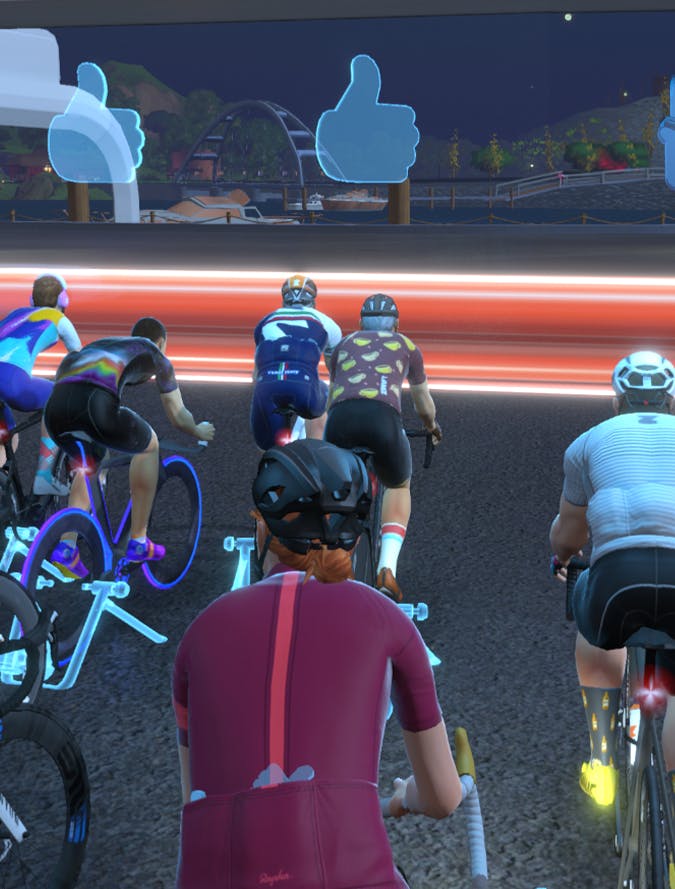
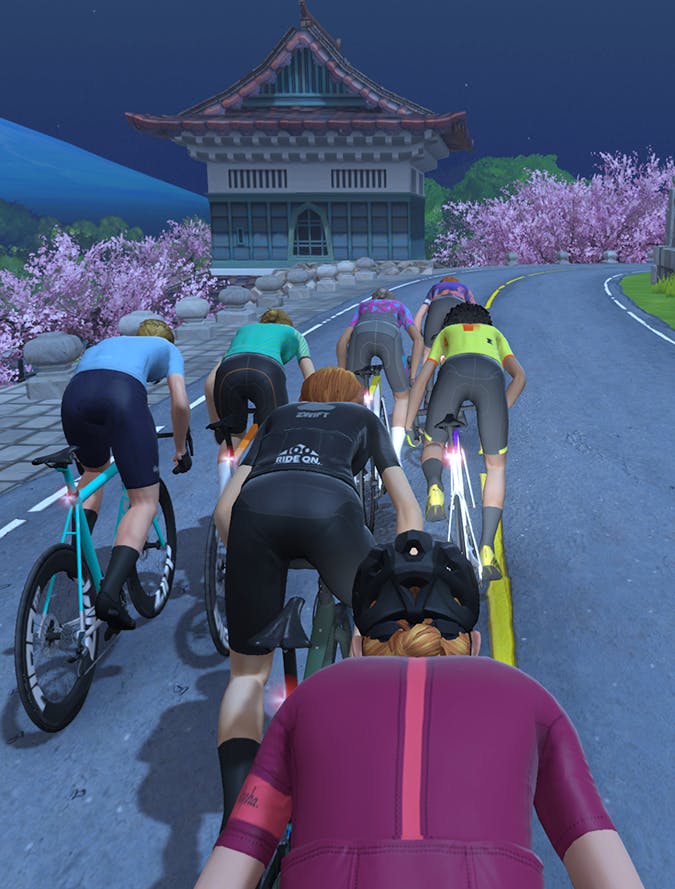
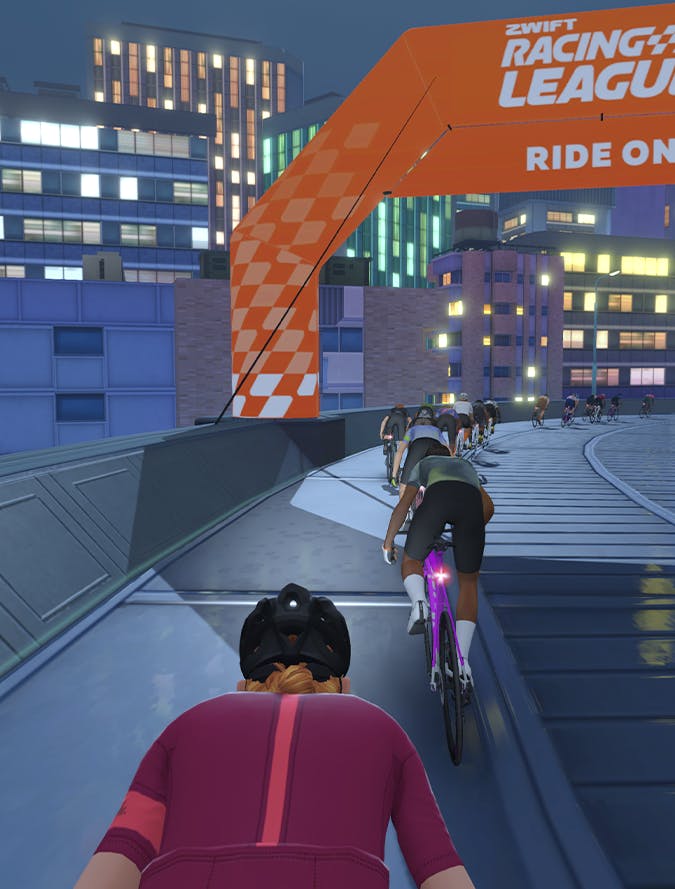
Zwift Racing,
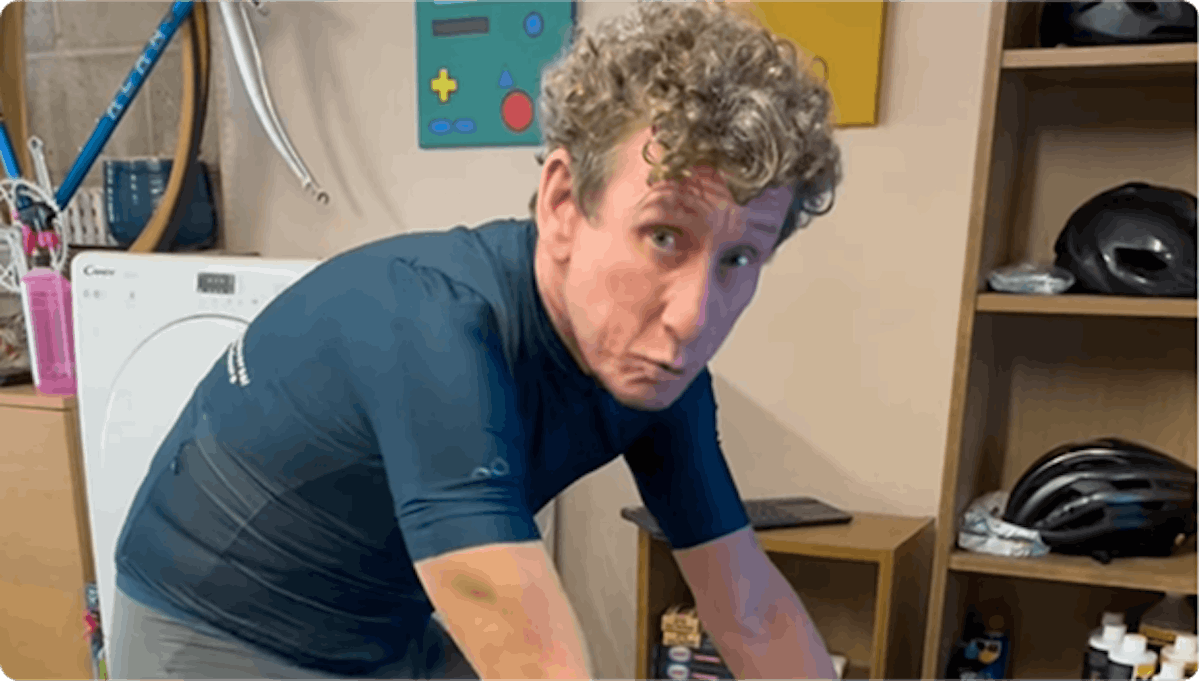
Matt Stephens Style
Still on the fence? Let Matt Stephens show you how fun and welcoming Zwift Racing really is. No stress, just good times.
Watch now and get inspired!
ZRacing
Your First Race, Made Easy
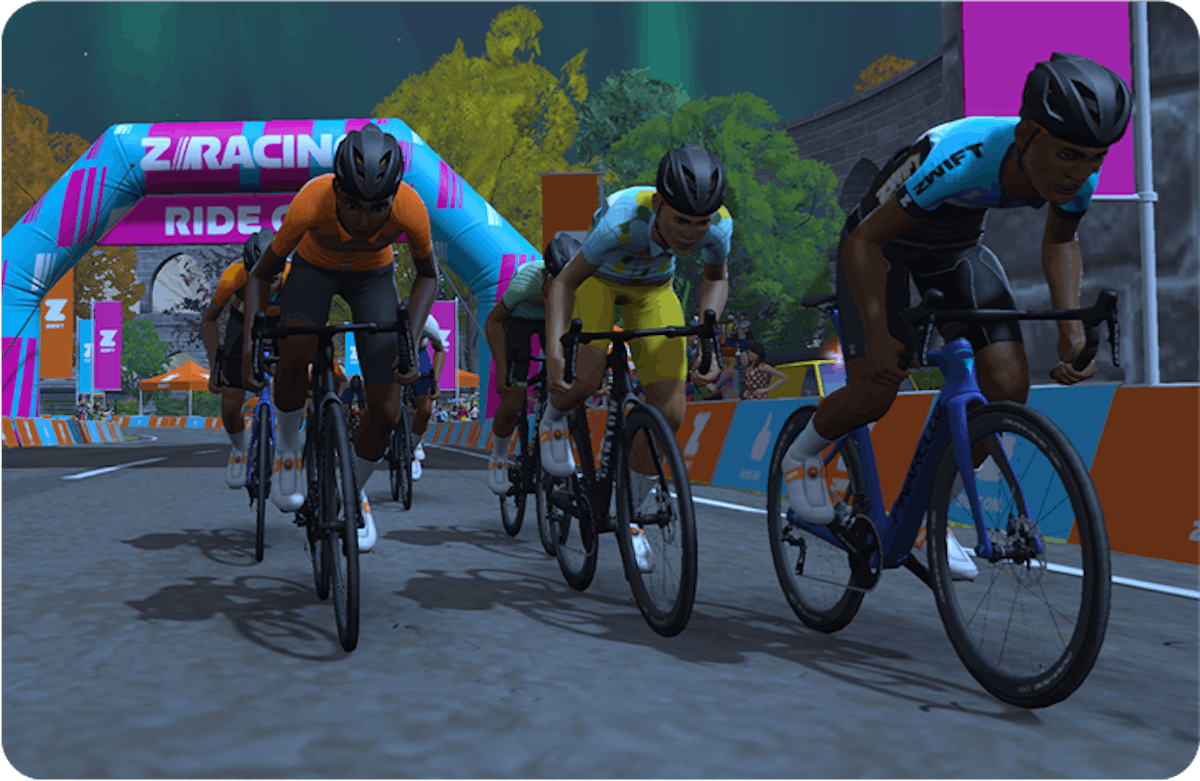
New to racing? ZRacing makes it easy. Fun, welcoming, and built for all levels, it’s the ideal way to experience the thrill of competition without the pressure.
With races running 24/7 and categories that match your fitness level, you can jump in any time and see what racing is all about. Whether you're looking to push yourself, boost your fitness, or just have fun, ZRacing is where it all begins.
FREQUENTLY ASKED QUESTIONS

We use our automatic ranking system, Racing Score, to match you with riders of similar ability for fair and fun competition. When you sign up for a race, the one highlighted in blue as "Recommended for You" is the perfect fit—just click and ride!
Nope, you only need to sign up and join a race! As you progress, you should explore your performances more deeply. When that time comes, we’re here to guide you—but for now, just jump in and start racing.
Whether you're chasing fitness, fun, or both, racing is for everyone. It’s an exciting way to train and a great social experience; every race is a chance to learn. You might come last but that’s nothing to be embarrassed about. Every racer has been there, and they get it. What matters is what you take from the experience. Did you push too hard too soon? Hold back when you shouldn’t have? Each race helps you grow, and the real question is: will you take what you’ve learned and try again?
Racing on Zwift uses our ranking system, Racing Score, which reflects your current level based on race performances and fitness, via a 1000-10 scale (1000 being the highest). This system allows Zwift to recommend the most competitive band for you, ensuring a fun, rewarding, and exciting experience as you track and improve your racing progress. Zwift Racing Score replaces Zwift’s previous FTP-based categorization system (A-D).
For more information on Racing Score, go here.
There are five standard categories in our new Zwift Racing Score system. These categories are based on score ranges, which divide riders into competitive groups depending on their racing performance and power output. These categories were chosen based on the Zwift Labs event testing results and a careful analysis of the distribution of racing scores across several variables. The goal was to create balanced and competitive groupings, ensuring that racers are matched more fairly according to their abilities. Our initial standard score ranges for these categories are as follows:
• 690-1000
• 520-690
• 350-520
• 180-350
• 1-180
To ensure you’ll get the best competitive experience, simply sign up for the lowest available category to you for any competitive event. If you wish to challenge yourself a little bit more, you can always sign up for a higher category.
Community event organizers can set up events with custom category limits, which are always noted in the event description beforehand, so be sure to read that description carefully!
For more information on Racing Score, go here.
The route characteristics and event description are the most important pieces of information when signing up for any competition on Zwift.
The route information (name, distance, and elevation) will tell you what kind of terrain you’ll be riding on for your competition. The distance of the event will be expressed in laps for circuit courses or point-to-point events. As for elevation, the more elevation you see, the more climbs there are—the less elevation, the flatter the course. Hillier courses tend to benefit climbers, while flatter courses are good for sprinters.
The event description is where you’ll find any additional details about the event, such as what rules or powerups the event utilizes. It will also let you know if you need to sign up for ZwiftPower.com for the best experience. For more information on ZwiftPower.com, check out our articles here.
Certain competitive events on Zwift can have specific rules or require specific equipment to participate. This is done to keep the event as fair as possible. Some rules will be Zwift-enforced (like Category Enforcement and Hardware Requirements), while others can be community-enforced.
Category Enforcement prevents Zwifters from entering the wrong category.
Hardware Requirements mean that an event can require you to have specific equipment to participate, like a heart rate monitor or a smart trainer, though not every event will have these rules. You can read more about Hardware Requirements here.
Other rules (most often for community-led events) can be enforced on ZwiftPower, so be sure to check the event description thoroughly, as these will be mentioned there. Getting familiar with ZwiftPower and studying the rules and routes ahead of time is critical if you want to set yourself up for success.
Elite competitions will have their own rules, which teams and individuals are informed of before the event.
One thing’s for sure: with Zwift equipment, you have options! Each bike and wheelset in Zwift has its features, so it’s helpful to know what kind of course you’ll be riding before you make your selection.
If you're riding on dirt, you’ll want a mountain or gravel setup. You'll want something aerodynamic if you’re riding flat and fast roads. If you’re riding a hillier course, lighter is better. There are even specific bikes and wheels for time trials.
The best way to make your decision is through our star rating system. Each frame and wheelset has a weight and aerodynamics rating, shown with stars. More stars in either field mean the equipment will perform better.
Heads up: not all bikes and wheels are available when you start. Some are awarded as you progress through levels, and others are available to purchase in the Drop Shop. The more you ride, the closer you’ll get to earning that dream in-game bike. More information on drops can be found here.